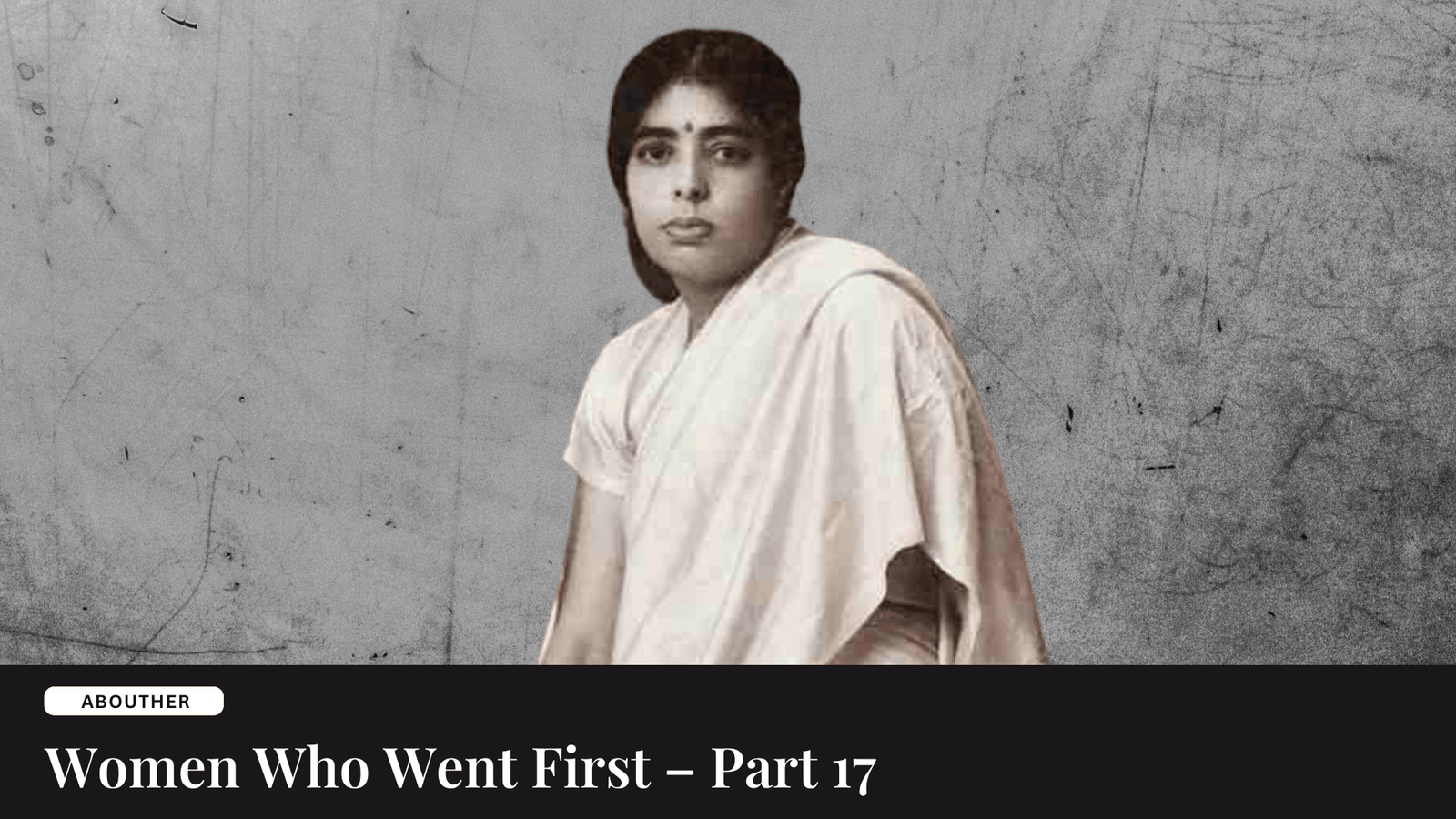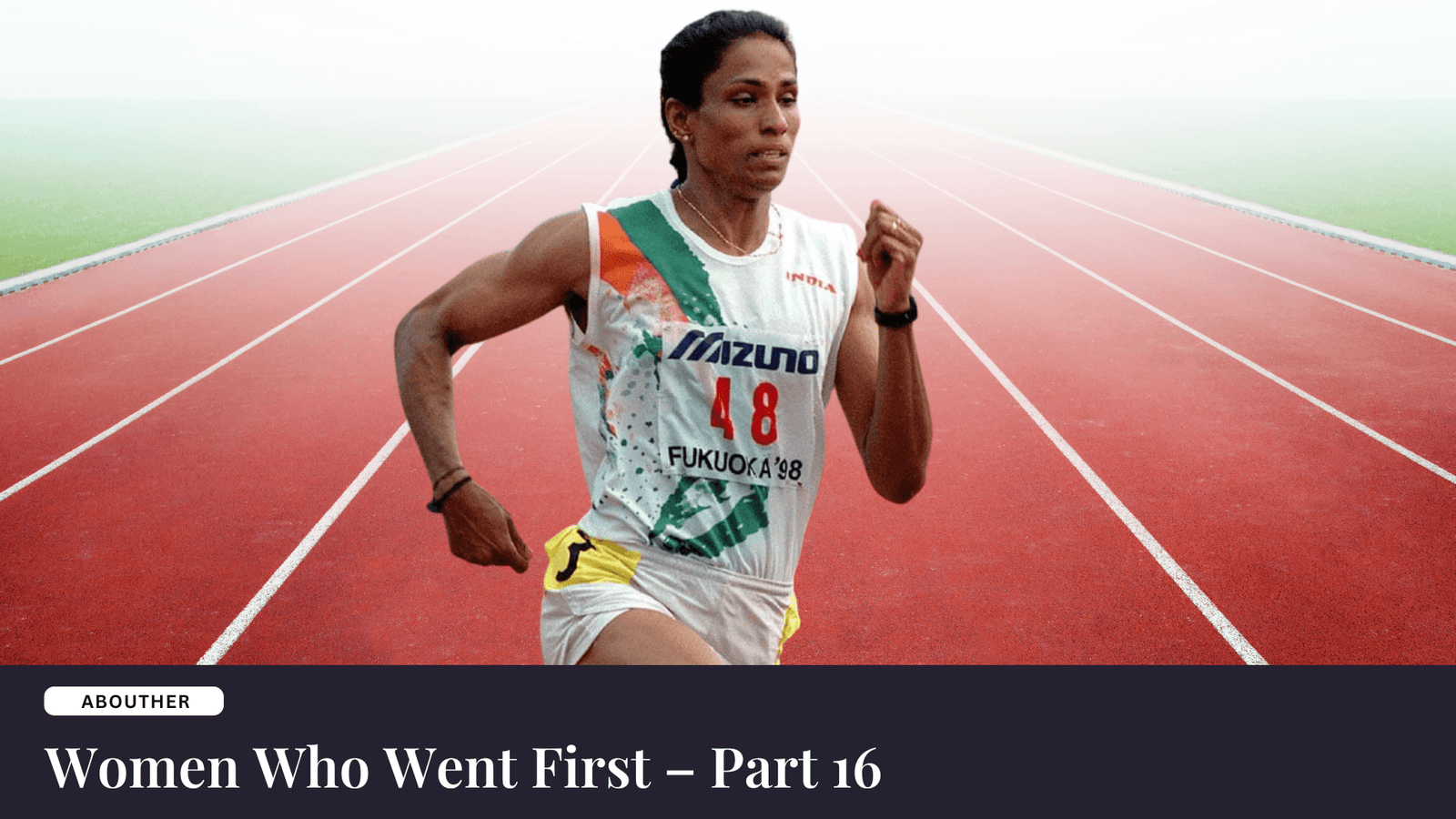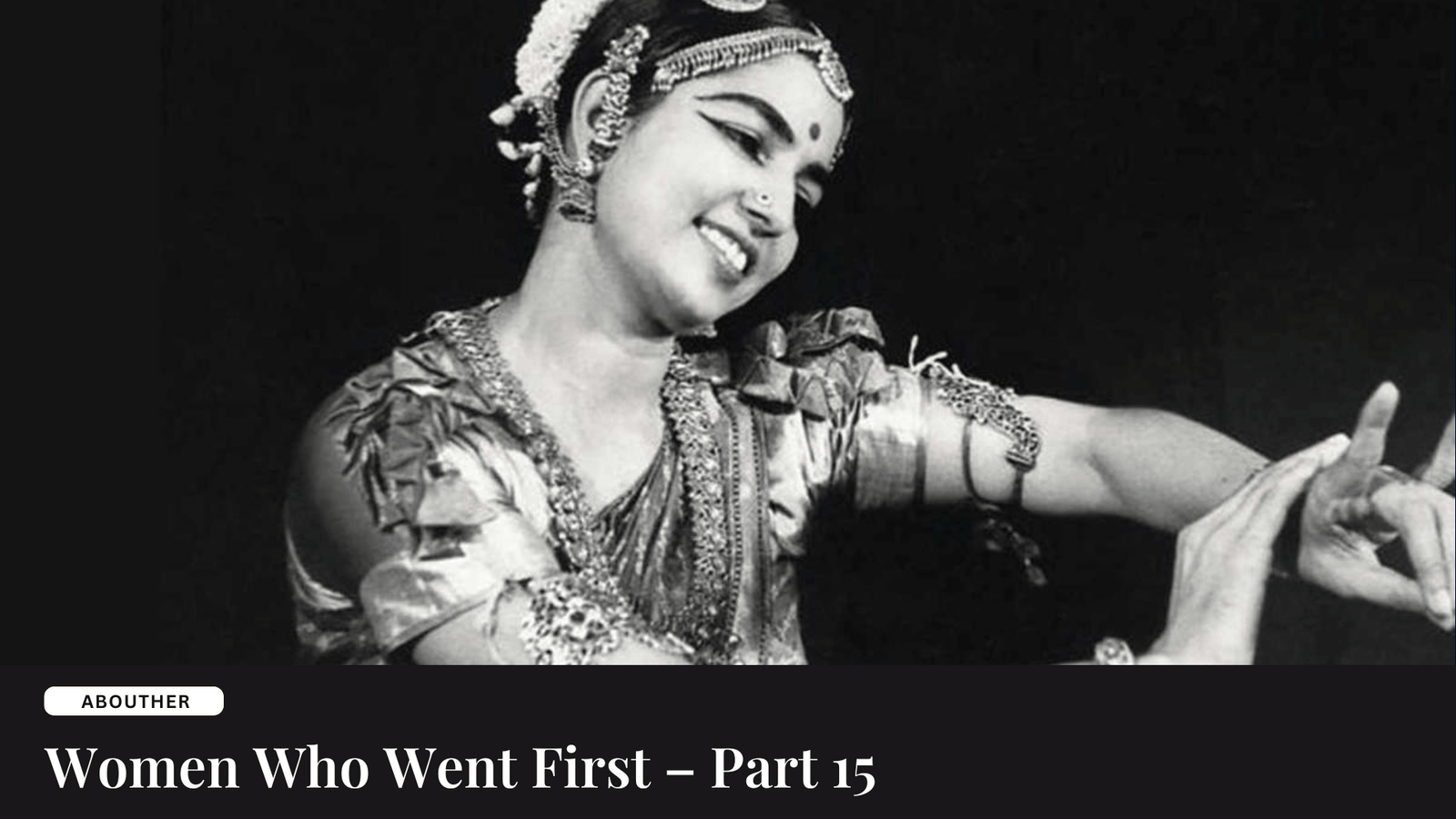
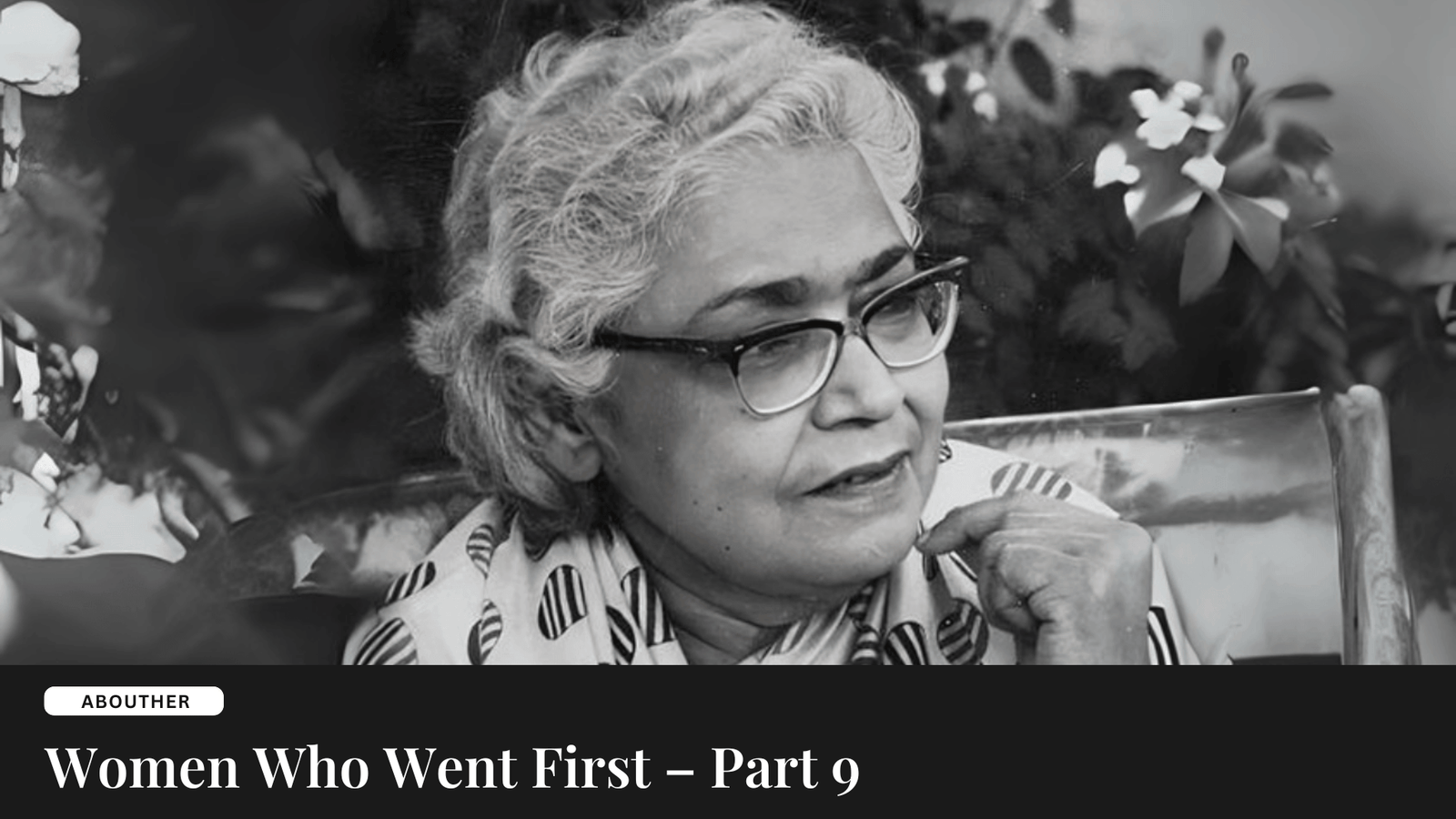
The Women Who Went First – Part 9
THE WOMEN WHO WENT FIRST ✦ FROM THE PAST
PORTRAIT · ISSUE NO. 09
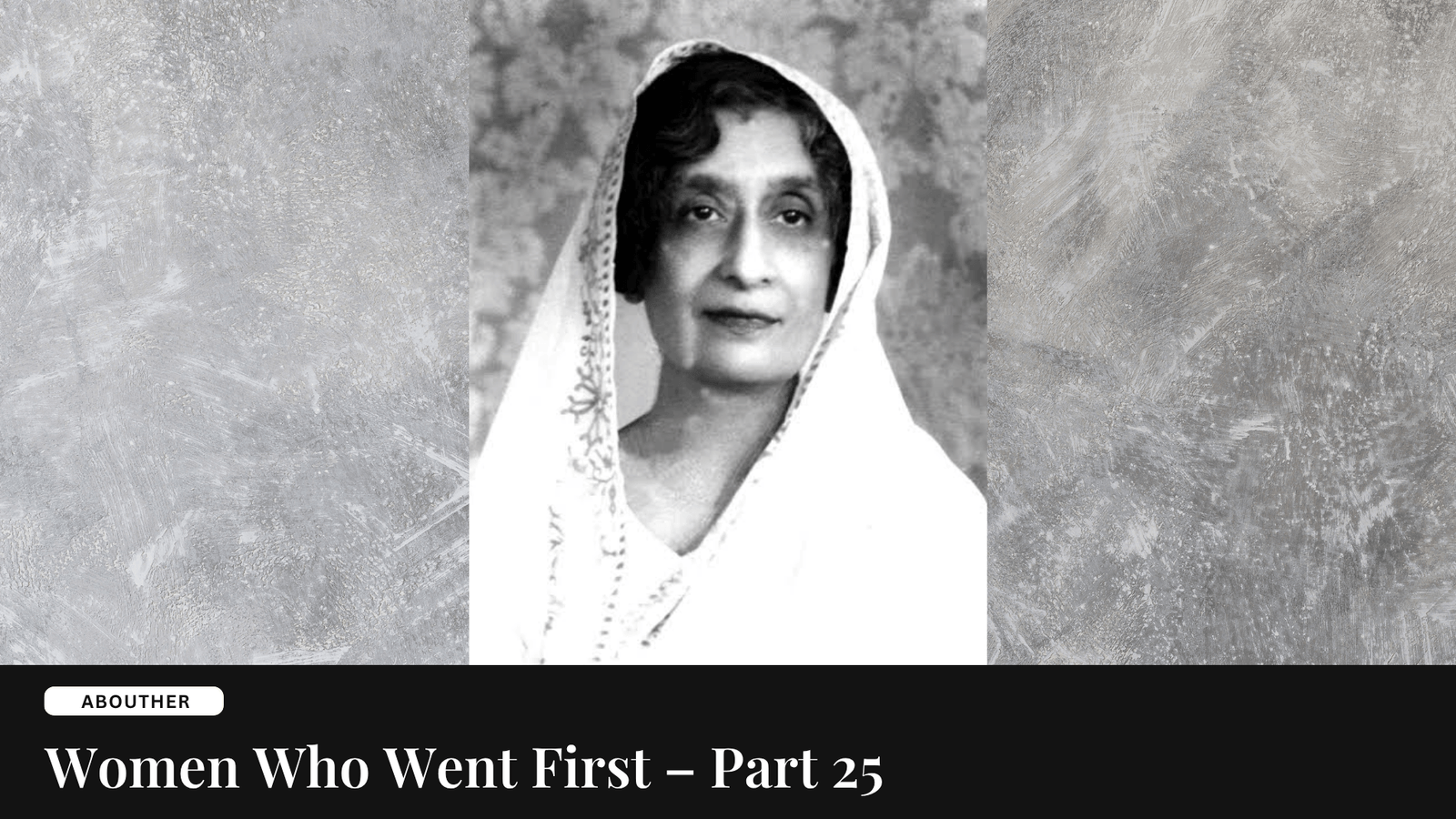
Ismat
Chughtai
Chughtai
She wrote what women lived but were forbidden to say. When they took her to court for it, she showed up, argued her case, and went home and wrote more.
In 1944, a young woman stood in a Lahore courtroom to defend a short story. The story was called Lihaaf, or The Quilt. Published two years earlier in a literary journal, it depicted the emotional and physical world of women confined to the domestic sphere, women whose desire, loneliness, and inner lives the literature of the time preferred to ignore. The charge was obscenity. The woman in the dock was Ismat Chughtai. She was twenty-nine, entirely unrepentant, and would go on writing for another forty-seven years without softening a word.
A CHILDHOOD THAT MADE A WRITER
Chughtai was born in 1915 in Badaun, Uttar Pradesh, the ninth of ten children. She grew up largely in the company of her brothers, absorbing their freedoms and their arguments, developing the blunt directness that would define her prose. Where her sisters were steered toward domesticity, she steered herself toward books and the kind of trouble that comes from noticing things you are not supposed to notice.
She fought for her own education with a stubbornness her family found bewildering. She became the first woman in her family to pursue a university degree, graduating from Isabella Thoburn College in Lucknow. She began writing in Urdu almost as a form of argument, a way of putting into language what the world around her kept insisting could not be said.
THE LIHAAF TRIAL
LAHORE, 1944 — THE OBSCENITY CASE
Lihaaf was published in 1942 in the literary journal Adab-e-Lateef. Narrated by a young girl, it depicts the intimate world of a neglected begum and her female companion within the walls of a haveli. The colonial authorities charged Chughtai with obscenity. She appeared in court, refused to apologise, and argued that the story depicted a reality — the emotional starvation of women in purdah — that existed whether or not polite society wished to see it. The case was dropped. Lihaaf went on to become one of the most celebrated short stories in Urdu literature. Chughtai never expressed a moment’s regret.
What is striking about the trial is not that it happened, but how she responded. She did not retreat into safer subject matter or issue clarifications designed to protect her reputation. She treated the court’s attention as an inconvenience and continued writing with exactly the same unsentimental clarity that had brought her there.
“If the world is uncomfortable with what it sees in my mirror, it should examine itself, not smash the glass.”
ISMAT CHUGHTAI
WHAT SHE WROTE AND WHY IT MATTERED
Chughtai’s subject was always women, specifically women as they actually were rather than as Urdu literature had traditionally preferred to imagine them. She wrote about desire, boredom, the claustrophobia of purdah, the complicated economics of domesticity. She wrote about working-class and lower-middle-class women with the same attention she gave to drawing-room society, and she did it without the sentimentality that was expected of women writers of her time.
Her prose was colloquial, sharp, occasionally bawdy, always precise. She wrote the way women talked when men were not in the room. The effect was both liberating and uncomfortable for readers accustomed to a more decorous literary tradition. She did not write for approval. She wrote for accuracy.
Also Read: The Women Who Went First – Part 8
ESSENTIAL WORKS
| Lihaaf (The Quilt) | Short story, 1942 |
| Terhi Lakeer (The Crooked Line) | Novel, 1944 |
| Chhotein (Trifles) | Short story collection |
| Kaghazi Hai Pairahan (My Life, A Fragment) | Autobiography, 1994 |
| Jungli Kabootar (Wild Pigeons) | Short stories |
THE PROGRESSIVE WRITERS’ MOVEMENT
Chughtai was a core member of the Progressive Writers’ Association, the literary movement that brought together writers committed to using fiction as a vehicle for social change. In this company, which included Saadat Hasan Manto, Faiz Ahmed Faiz, and Krishan Chander, she was entirely her own voice. She shared the movement’s commitment to honesty about ordinary lives, but her focus on women’s interiority was distinctly and stubbornly hers.
Her friendship and creative rivalry with Manto is one of the great literary partnerships of twentieth-century South Asia. Both wrote about subjects that disturbed their contemporaries. Both were charged with obscenity. Both refused to be anything other than exactly what they were. Manto has since been canonised and mourned. Chughtai is still, in many circles, treated as a secondary figure in a story that should carry her name as prominently.
A LIFE BEYOND THE PAGE
Chughtai married the film director Shahid Lateef in 1946 and worked alongside him in the Bombay film industry for decades, writing screenplays that brought her same sharp eye to a new medium. She raised children, argued loudly about literature and politics, and kept writing until near the end of her life. She died in Mumbai in 1991. By every account, she never once wondered whether she had said too much.
WHY SHE BELONGS IN THIS SERIES
This series has largely celebrated women who entered institutions and changed them from within. Chughtai did something different. She entered the institution of language itself, Urdu literature with all its classical traditions and gendered assumptions, and refused to write on its terms.
She insisted that women’s inner lives were a legitimate subject for serious literature at a time when that was a prosecutable position. She wrote honestly about how women lived, loved, suffered, and got on with things, without the softening her era demanded. That takes a particular kind of courage, not the courage of the courtroom only, though she had that too, but the quieter, more sustained courage of going back to the desk every day and writing what you see.
Literature changes what is thinkable. Ismat Chughtai changed what was writable. That belongs at the heart of any conversation about women who went first.
“She wrote honestly about how women lived, loved, suffered, and got on with things, without the softening her era demanded and her talent could easily have provided.”
THE WOMEN WHO WENT FIRST · ABOUTHER MAGAZINE
Share This On Social
About the Author: Sangeeta Relan

Related Posts


I’m Sangeeta Relan—an educator, writer, podcaster, researcher, and the founder of AboutHer. With over 30 years of experience teaching at the university level, I’ve also journeyed through life as a corporate wife, a mother, and now, a storyteller.