She Chose Real Over Quick
ABOUTHER MAGAZINE • HEALTH | WOMEN | NUTRITION
She Chose Real Over Quick
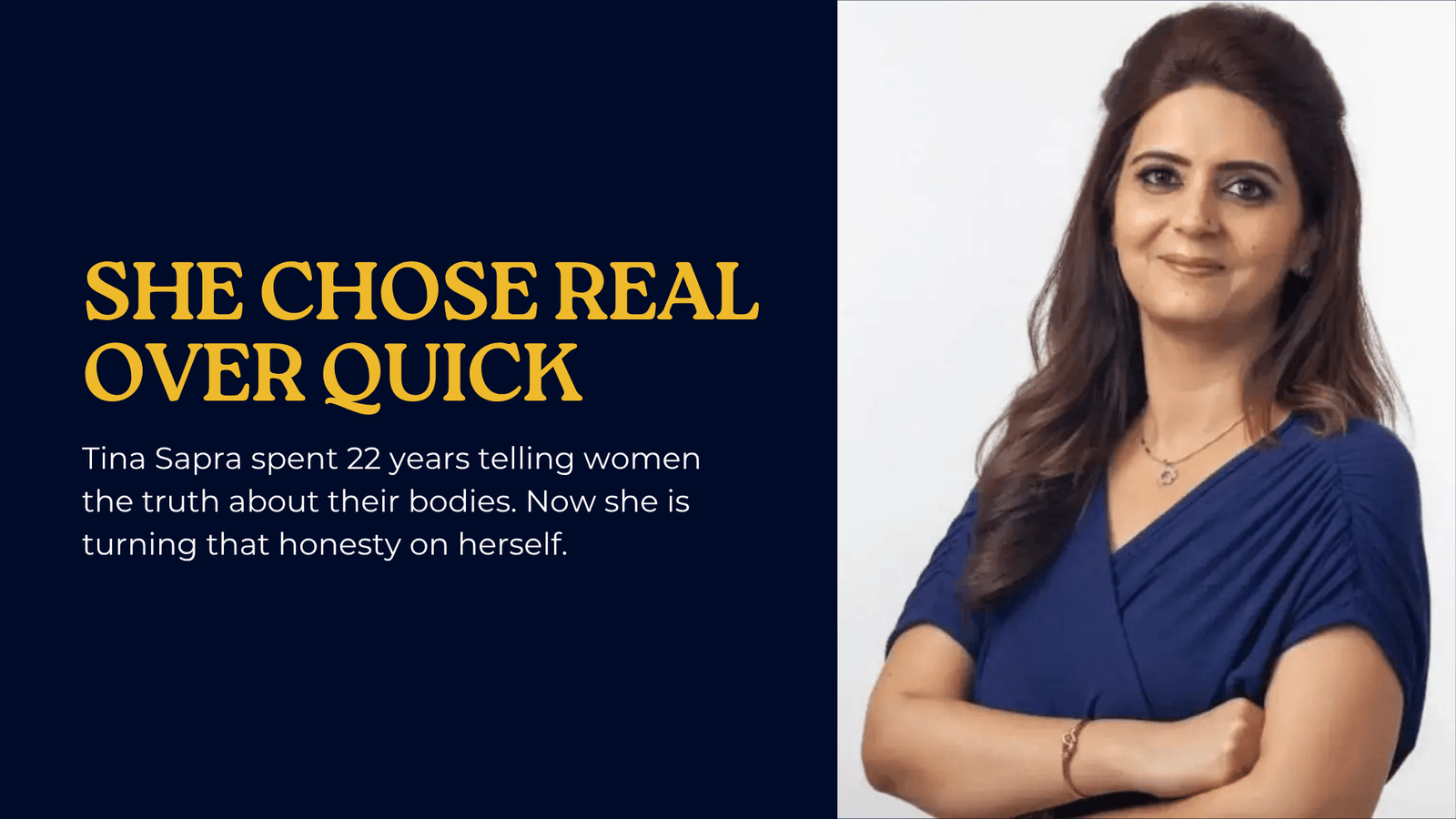
Tina Sapra spent 22 years telling women the truth about their bodies. Now she is turning that honesty on herself.
By Sangeeta Relan | The AboutHer Show, Season 3
There is a moment in every honest conversation about women’s health when the clinical and the personal collide. For Tina Sapra, that moment arrived not in a client’s consultation room but in her own kitchen, approaching fifty, discovering that a lifetime of clean eating and rigorous nutrition knowledge could not fully insulate her from the changes her body had decided to make. Menopause, she says, does not care how many years you spent in a California hospital learning medical nutrition therapy.
Tina is a Registered Dietician with 22 years of practice across two countries. She trained at Loma Linda Medical University, built her expertise at institutions including Kaiser Permanente, returned to India in 2011, headed Clinical Nutrition at Fortis Gurugram, and then walked away from the stability of an institutional salary to found Doctor Diet. Her practice has grown entirely through word of mouth. She does not chase volume. She does not compromise on personal contact. And she has spent two decades telling women things the wellness industry would rather they did not hear.
On Season 3 of The AboutHer Show, she said all of it out loud.
WHEN NUTRITION BECOMES MEDICINE
The gap Tina encountered when she returned to India in 2011 was not about awareness. It was about credibility. In the United States, medical nutrition therapy places the dietician alongside the doctor in the treatment room. In India, she found a system where the doctor prescribed and the dietician followed orders.
“The standard line of treatment in India is to get on a medication. We take medical nutrition therapy, replace the medicine and reverse the metabolic disorder.”
It was a gap she refused to accept. Instead of fitting into the existing hierarchy, she built a practice around the belief that nutrition could do what pills were being asked to do. Diabetes, blood pressure, thyroid conditions, PCOS: all of these, she argues, can be addressed through rigorous, personalised nutrition counseling. Doctor Diet was not a business plan. It was a position.
Fifteen years later, she says, the credibility has come. Not because the system changed overnight but because she stayed consistent, because her clients got results, and because referrals built what no marketing campaign could have.
WHAT THE WELLNESS INDUSTRY IS REALLY SELLING WOMEN
Tina does not speak in soft reassurances. When the conversation turned to what nutrition advice has historically meant for women, she did not pause.
“It is very scary what people can promote to entice women to look good. GLP ones are becoming part of bridal packages. There has to be a stop somewhere.”
She described reading about brides undergoing IV hydration therapies and Ozempic protocols before their weddings, not for health reasons but for appearance. She pointed to the absence of regulatory frameworks in India that might prevent a paying patient from accessing treatments that carry genuine risk. In the United States, she noted, insurance structures create a layer of clinical gatekeeping. In India, money is the only gate.
Her response to this is not to lecture clients about the dangers of quick fixes. It is to redirect the conversation toward a longer timeline. When she sits down with a woman fixated on how she will look in three months, Tina asks how she wants to feel in ten years. Whether she wants to walk without pain at sixty. Whether she wants to manage her own health rather than depend on others. The aesthetic goal does not disappear. It simply stops being the only goal.
THE WOMEN WHO WALK THROUGH HER DOOR
Over the course of the conversation, Tina kept returning to a particular kind of woman: the one who has been carrying something for a long time before she finally asks for help. Women navigating infertility, IVF, gestational diabetes, eating disorders, menopause. Women who arrive not just with a clinical concern but with years of judgment absorbed from families, workplaces, social media, and mirrors.
“You have to create a safe space by not judging them. You have to let them do the talking. You cannot dismiss their feelings.”
On eating disorders specifically, she described a process that begins not with dietary protocols but with open-ended questions. The younger clients, often brought in by parents, need to be won over first. Trust before treatment. Relationship before recommendations. She does not tell them what is wrong. She asks them when it started, and she listens.
What she has noticed, across two decades and two countries, is that women’s relationship with their bodies shifts around their mid-forties. Before that age, the goal is almost always appearance. After it, health begins to take over. The desire to feel well gradually overtakes the desire to look a certain way. She does not judge either impulse. She meets women where they are.
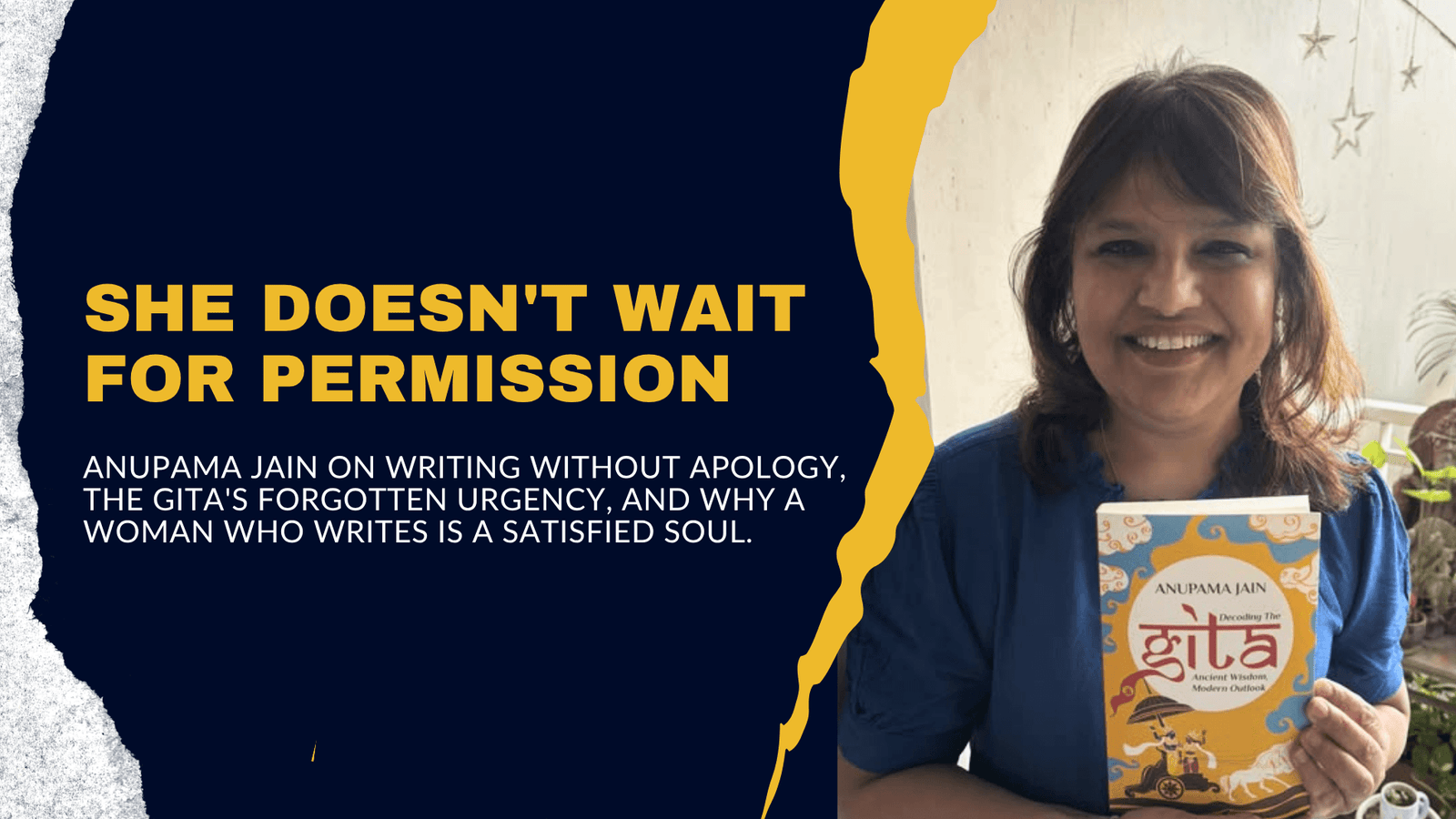
Also Read: She Doesn’t Wait for Permission
AFFORDABILITY AS A VALUE, NOT A STRATEGY
When asked about nutrition counseling being positioned as a luxury in India, Tina’s answer was immediate. She has made a deliberate choice to remain affordable. Not because she cannot command higher fees but because she believes reach matters more than revenue.
“The more affordable I can be, the more people I can reach, the more I can touch their lives. That is what I aim for.”
She acknowledged the tension between personal touch and scale. She has chosen personal touch. Her practice has not expanded into a large clinic or a franchise. It has remained a relationship-first operation, and that, she says, is exactly what she intended.
THE HARDEST PATIENT SHE HAS EVER HAD
Near the end of the conversation, Sangeeta asked the question that cuts through everything: after 22 years of telling other people how to care for their bodies, what has been the hardest part of caring for her own?
Tina’s answer was disarming in its honesty. She has always eaten cleanly. She has always exercised. She has set her plate right and kept junk out of her kitchen. And yet, approaching fifty, she is finding that menopause does not negotiate with discipline. Her body is shifting. Weight that would once have come off is holding on. Her energy is different. Her responses are sharper in ways she does not always welcome.
“I’m approaching 50 and the menopause symptoms are setting in. I’ve always been a clean eater. But this is just my body now telling me to slow down.”
She said that when she was in her thirties and clients in their forties and fifties described their symptoms, she would quietly think it would never happen to her. Now she takes those complaints very seriously. Not just because she understands them clinically but because she is beginning to understand them personally.
It is, perhaps, the most useful thing a practitioner can learn.
KEY TAKEAWAYS
01. Nutrition is medicine. Lifestyle disorders including diabetes, hypertension and PCOS can be addressed through medical nutrition therapy, reducing or eliminating dependence on medication.
02. The wellness industry sells women appearance. A practitioner who is worth trusting reframes the conversation around long-term health, not short-term aesthetics.
03. Trust before treatment. Whether working with eating disorders or metabolic conditions, the relationship comes first. Safe space is not a phrase. It is a practice.
04. Affordability is a value, not a limitation. Reach matters. The more women a practitioner can help, the more meaningful the work becomes.
05. Every woman’s body will change. The earlier you invest in your health, the better equipped you will be when it does.
This article is drawn from Tina Sapra’s conversation on The AboutHer Show, Season 3.
Listen on Spotify, Apple Podcasts and YouTube
Share This On Social
About the Author: Sangeeta Relan

Related Posts

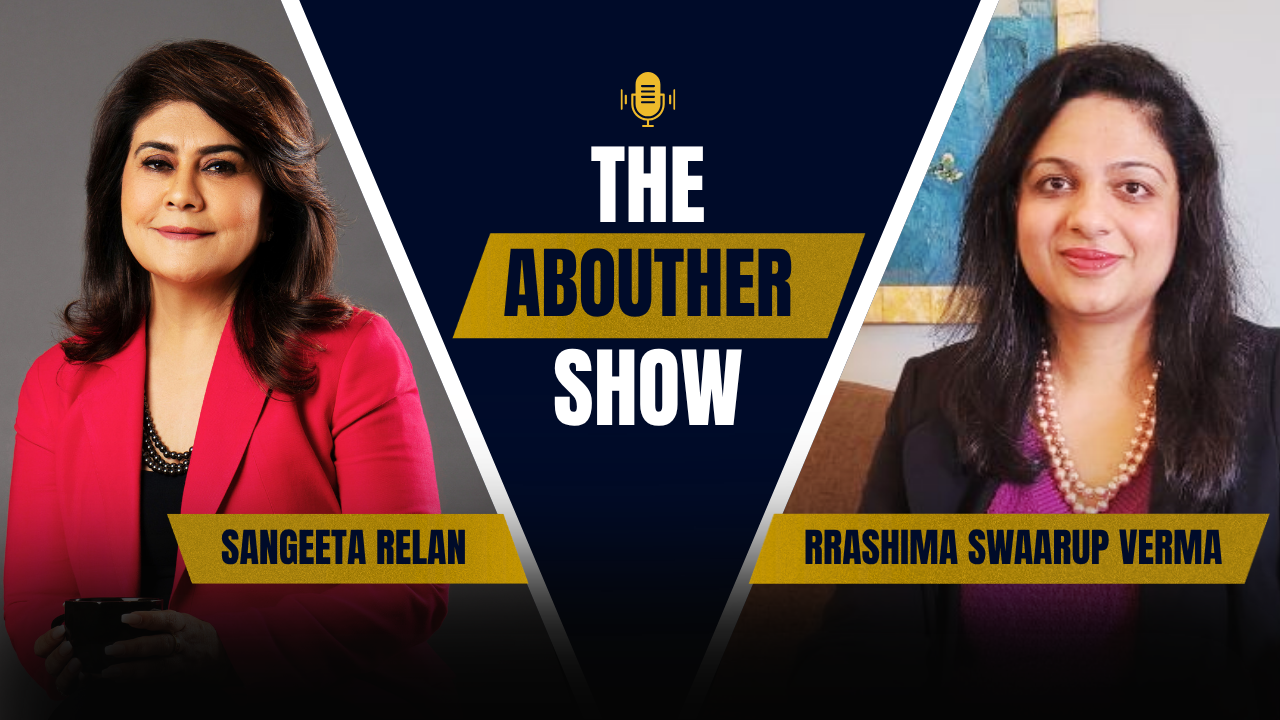



I’m Sangeeta Relan—an educator, writer, podcaster, researcher, and the founder of AboutHer. With over 30 years of experience teaching at the university level, I’ve also journeyed through life as a corporate wife, a mother, and now, a storyteller.