
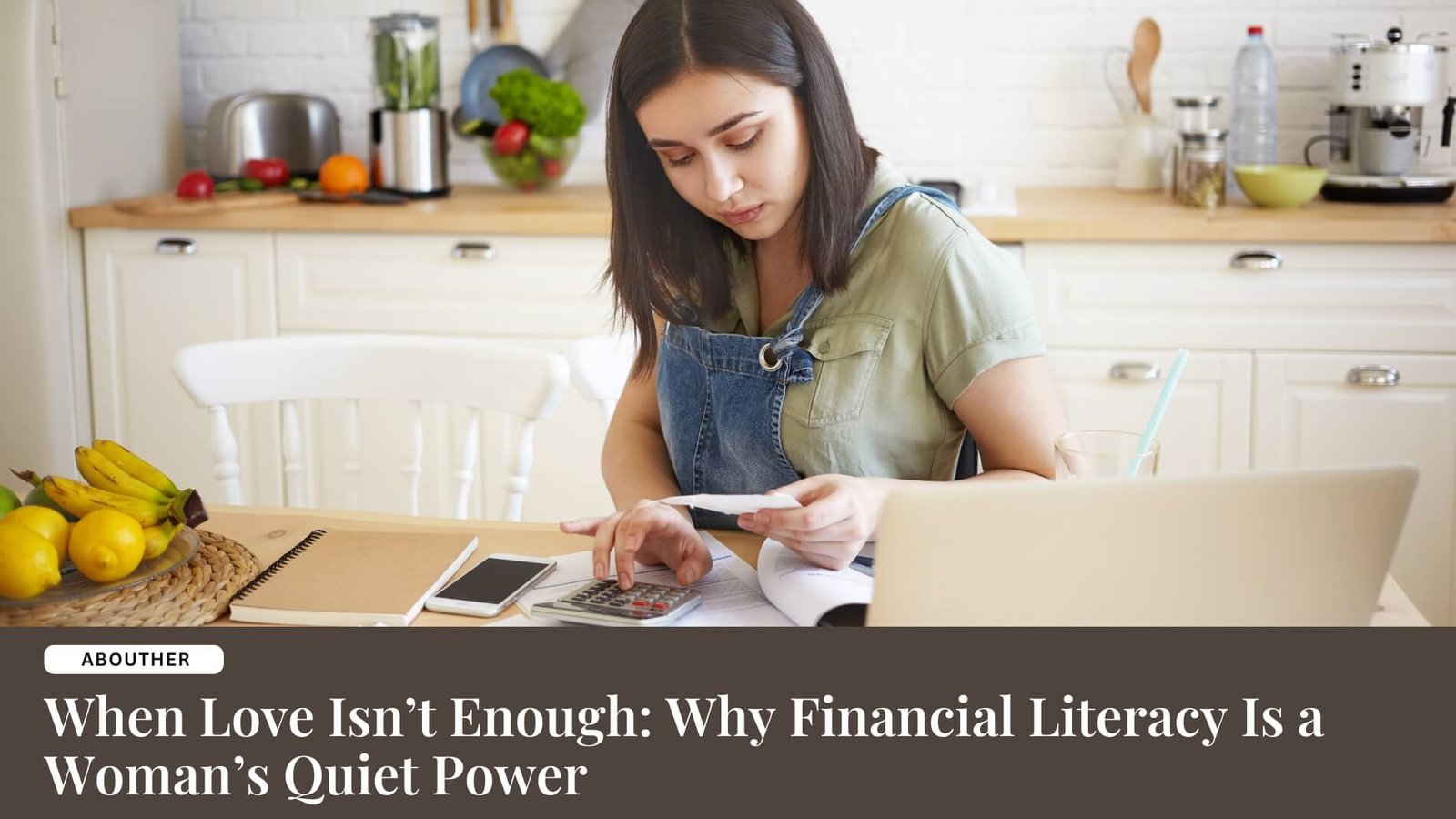
Love Makes You Blind, Debt Makes You Broke
Why Financial Literacy Is Not Optional for Women
Love is often celebrated as selfless, forgiving, and unconditional. But when love is not accompanied by financial awareness, it can quietly become costly. For many women, emotional commitment precedes financial clarity, and the consequences are rarely discussed until it is too late.
The uncomfortable truth is this:
Love may make you blind, but debt will make you broke.
The Emotional–Financial Disconnect
Women are frequently socialised to prioritise relationships over resources. We are taught to trust, to support, to adjust, and to believe that “things will work out.” While emotional intelligence is a strength, emotional decision-making without financial grounding can be a liability.
Common scenarios play out repeatedly:
- Signing as a guarantor “just to help.”
- Taking loans in one’s own name for a partner’s business
- Absorbing household debt without clarity on ownership or repayment
- Giving up financial independence in the name of stability or love
None of these begins as a poor intention. They start as acts of care. But intent does not protect against impact.
Debt Does Not Understand Emotions
Debt is unemotional.
It does not recognise sacrifice, loyalty, or good faith.
If your name is on the document, the liability is yours—regardless of who promised what. When relationships change, finances remain. And when debt accumulates, it quietly erodes freedom, confidence, and choices.
Also Read: Why Women Must Own Their Financial Journey
Many women only start asking financial questions after the damage is done:
- When credit scores are affected
- When savings are exhausted
- When legal or recovery notices arrive
- When starting over feels financially impossible.
Financial vulnerability often follows emotional vulnerability.
Financial Literacy Is Not Distrust, It Is Self-Respect
Being financially literate does not mean being cynical or unloving. It means understanding risk, boundaries, and long-term consequences.
Healthy love allows space for:
- Transparency around money
- Clear division of financial responsibilities
- Independent access to income and savings
- Informed consent before financial commitments
Asking questions about money is not a lack of trust. It is an act of maturity.
What Financial Awareness Looks Like in Practice
Financial literacy for women does not require being a finance expert. It requires clarity on fundamentals:
- Know what you sign. Never co-sign or guarantee without understanding full exposure.
- Maintain financial identity. Personal bank accounts, credit history, and investments matter.
- Separate emotion from obligation. Support should not come at the cost of solvency.
- Plan for contingencies. Love does not eliminate risk; preparedness manages it.
- Talk about money early. Silence is often more expensive than disagreement.
Empowerment Begins With Choice
True empowerment is not about rejecting relationships or independence at all costs. It is about choice, the ability to stay because you want to, not because you are financially trapped.
When women understand money, they negotiate better, exit safer, and build stronger partnerships. Financial literacy does not weaken relationships; it strengthens them by removing fear and dependency.
Final Thought
Love should add to your life, not bankrupt it.
Support should uplift, not burden.
And commitment should never require financial blindness.
Because while love may make you blind,
Debt will make you broke, and financial literacy is how you stay free.
Share This On Social
About the Author: Nitika Khiwani

Related Posts










I’m Sangeeta Relan—an educator, writer, podcaster, researcher, and the founder of AboutHer. With over 30 years of experience teaching at the university level, I’ve also journeyed through life as a corporate wife, a mother, and now, a storyteller.